
Personalization at Scale: Lessons from the Planned Meal AI Case Study
by Leslie Alexander, Co-Founder / Product Lead
Introduction
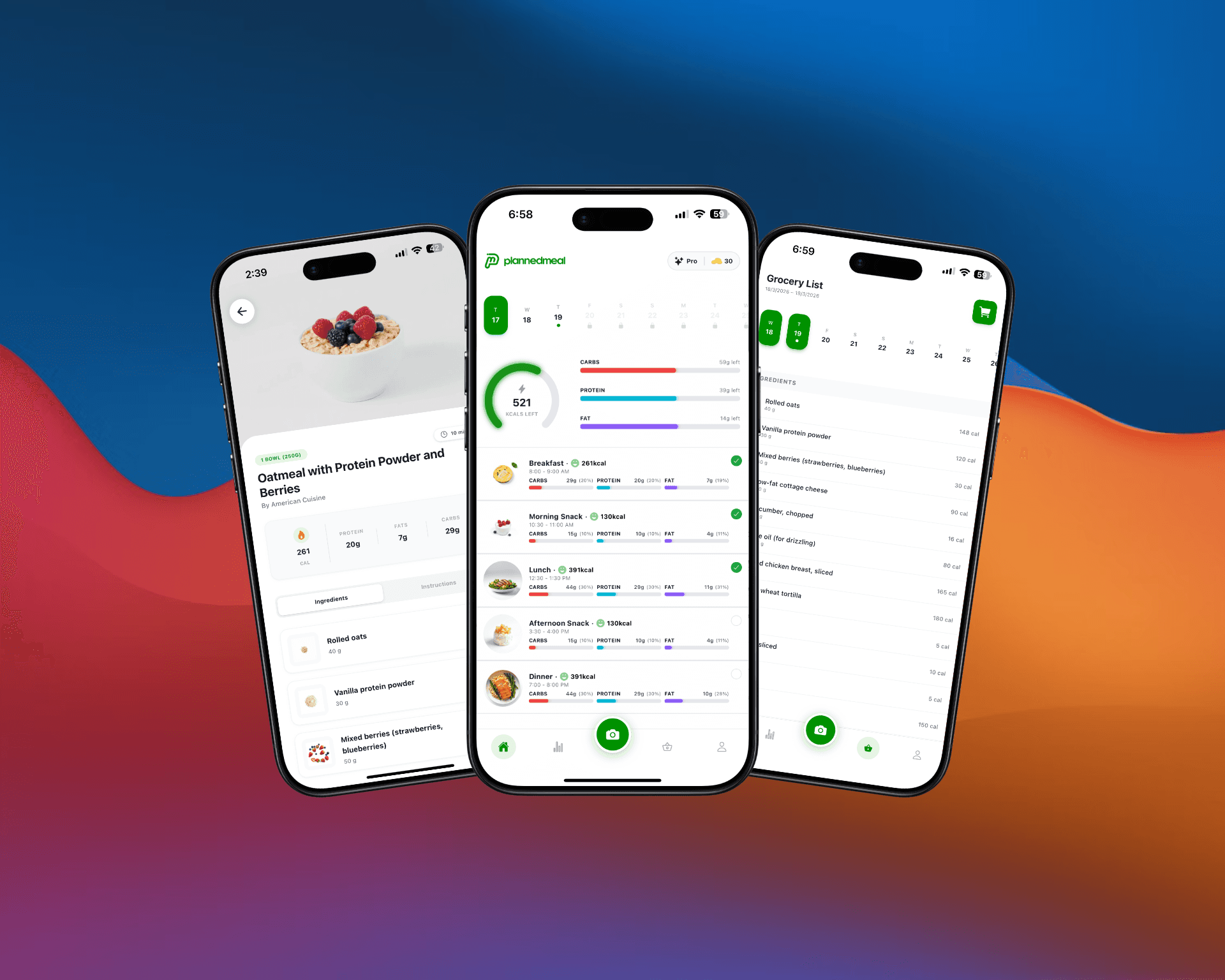
Most personalization systems fail for a predictable reason: they optimize for recommendation novelty instead of user confidence. Planned Meal approached the problem differently. The product starts with explicit household constraints, such as dietary preferences, allergies, budget, and cooking time, then uses AI to propose plans that are understandable, editable, and practical in real life. That transparency is what turns algorithmic suggestions into daily habits.
From an engineering standpoint, Planned Meal combines rule-based safeguards with model-driven ranking. Hard constraints prevent unsafe or irrelevant outputs, while machine learning improves meal fit over time using user feedback signals: accepted swaps, skipped recipes, and repeated cuisine patterns. This hybrid model prevents over-personalization and keeps recommendations stable enough for weekly planning behavior.
The operational lesson is equally important. Personalization does not end at the recommendation card. Planned Meal connects plan changes to grocery list regeneration, serving updates, and reminder timing. Every touchpoint reflects the same user model, which creates continuity instead of fragmented experiences.
At SaaS-framer, we view this as user-centric AI done right: opinionated enough to save time, flexible enough to preserve user agency, and observable enough for teams to improve safely in production.
- Key takeaway 1: Personalization should be explainable and user-editable.
- Key takeaway 2: Hybrid rules + ML improves reliability under constraints.
- Key takeaway 3: End-to-end experience cohesion matters more than single-screen intelligence.